


EMDR for Healing
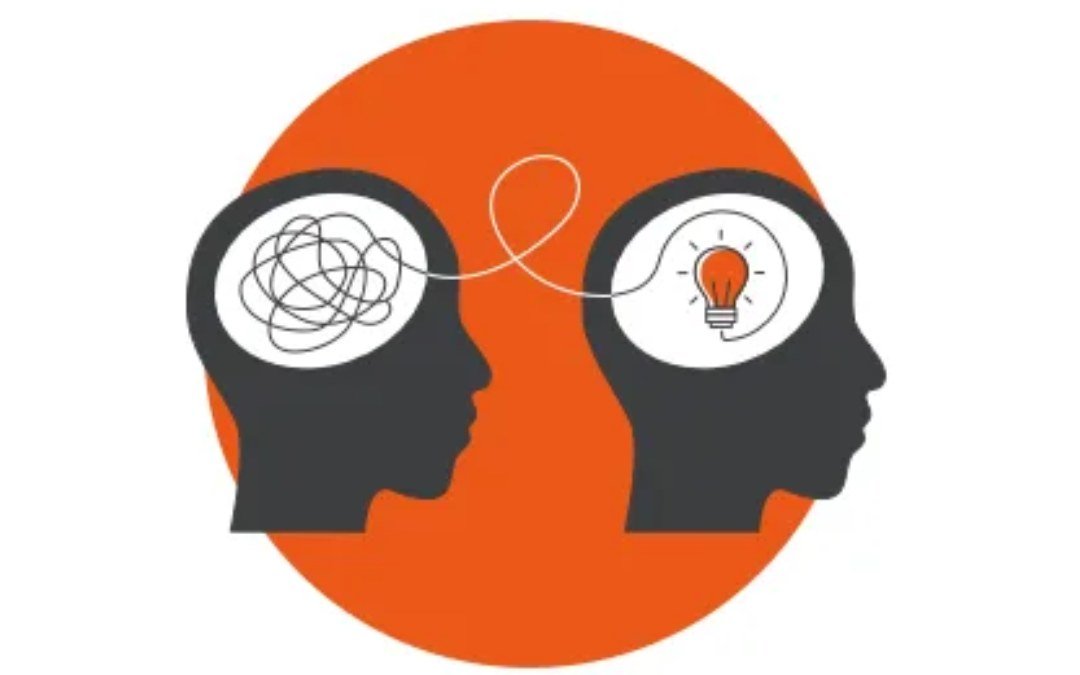
Why EMDR?
Eye Movement Desensitization and Reprocessing (EMDR) Therapy is an extensively researched and effective treatment for PTSD and trauma-related symptoms. EMDR has proven beneficial for treating other stress-related disorders, such as anxiety, depression, OCD, addiction, and phobias.
Since its development in the 1980s, EMDR has expanded globally, and its reach now includes a wide range of international settings, from clinical practices to humanitarian interventions in conflict zones. Today, EMDR is practiced in over 100 countries worldwide.
Trauma and The Brain
Our brains have a natural way of recovering from traumatic or stressful events. While we are able to successfully resolve many experiences, some events can overload our system and require assistance to process.
EMDR therapy facilitates this process, helping the brain resolve these memories and restore normal functioning. While the memory remains, the associated disturbance diminishes, and the fight, flight, or freeze response is no longer triggered.
The goal of EMDR Therapy is to eliminate disturbances and negative symptoms, replacing them with positive emotions and sensations, as well as healthy behaviors and perspectives.

EMDR vs. Talk Therapy
A different approach to healing
Unlike traditional talk therapy, EMDR doesn’t rely on detailed discussions or homework. Instead, it activates troubling memories and harnesses the brain’s healing capacity to resolve them. This approach resolves distressing events and alleviates symptoms with fewer sessions and less effort than talk therapy.
Experiencing EMDR Therapy
EMDR is a structured therapy, involving 8 phases that evolve at a pace that is tailored to meet the individual needs of the client.
Phase 1: History Taking
Together with your therapist, you’ll identify specific trauma “targets” — past events, present triggers, or future challenges — that will be the focus of reprocessing during EMDR therapy.
Phase 2: Preparation
You and your therapist will work on building trust and practicing emotional regulation and grounding techniques. This phase also introduces bilateral stimulation (BLS) so that you feel comfortable and ready for reprocessing.
Phase 3: Assessment
Reprocessing begins by activating a specific memory. With your therapist, you’ll explore associated negative beliefs, emotions, physical sensations, and disturbance level. You’ll also identify a desired positive belief to replace the negative one.
Phase 4: Desensitization
While using BLS, you focus on the memory and observe changes, insights, and associations until the experience no longer feels disturbing. If challenges arise, your therapist intervenes to support the healing process.
Phase 5: Installation
To reinforce the benefits of reprocessing, you next focus on the memory and the desired positive belief, strengthening it with BLS until the belief feels completely true.
Phase 6: Body Scan
In the final reprocessing step, you scan your body for any lingering physical discomfort related to the memory. If tension remains, the therapist will use BLS to resolve it.
Phase 7: Closure
Before concluding the session, the therapist will lead you through exercises designed to help you feel calm, grounded, and prepared to return to daily life. This is also an opportunity to share thoughts and insights about the reprocessing with your therapist.
Phase 8: Re-Evaluation
At the start of each session, you and your therapist review your progress and discuss any new thoughts, feelings, or behaviors that have emerged. This process informs your treatment plan and supports long-term healing.
Get in touch!
Have questions or thoughts? I’d love to hear from you. Feel free to like, comment, or share this post with others who may benefit.
👉 Find an EMDR therapist: EMDRIA.org
👉 Get trained in EMDR therapy: EMDR Trainings
👉 Watch the video version of this blog: Youtube
EMAIL: info@emdreducationandtrainingcenter.com
FACEBOOK: https://www.facebook.com/EMDREducationAndTrainingCenter/
INSTAGRAM: https://www.instagram.com/EMDR_Education_Training_Center/
YOUTUBE: https://www.youtube.com/@emdreducationandtrainingce5758